


Why I Keep Learning: Attending a Myoskeletal Alignment Techniques® Workshop in Tallahassee
Filed in Uncategorized — May 8, 2026


This May, I’ll be attending a two-day continuing education workshop on myoskeletal alignment techniques in Tallahassee and I wanted to share what it covers, why I sought it out, and what it means for the work I do with clients.
Who Was Erik Dalton, and What Is MAT?
Myoskeletal Alignment Techniques® is a system of manual therapy developed by Erik Dalton, PhD. Dr. Dalton was a bodywork educator and manual therapist who spent more than four decades in wellness research. His research examined pain patterns, nervous system function, and the structural relationship between bones, muscles, and connective tissue. Dalton’s clinical training spanned the Dr. Ida Rolf Institute, the Menninger Foundation, and Michigan State University College of Osteopathic Medicine. He was inducted into the Massage Therapy Hall of Fame in 2008. He has remained one of the most influential educators in the field until his passing on January 11, 2025.
The foundation of Dalton’s approach was the understanding that physical pain is deeply connected to the nervous system. Furhter, his research asserts that the body cannot be treated as a purely mechanical structure, and that lasting results require addressing the neurological patterns driving dysfunction, not just the site where pain presents. His daughter, Dr. Adrienne Kesinger, MD, now leads the Freedom from Pain Institute in continuation of his work.
The Workshop: Myoskeletal Alignment Techniques in Tallahassee
The May 19–20 workshop at Lively Technical College provides 16 CE hours of hands-on instruction covering both upper and lower body assessment and treatment. Senior MAT educator Tammy McCue, recently inducted into the Massage Therapy Hall of Fame in her own right, will be leading the workshop.
The curriculum focuses on learning to identify what is actually driving a pain pattern, not simply where it presents. Specific areas include head and neck pain, rotator cuff and shoulder conditions, SI joint dysfunction and low back protective muscle spasm, forward head posture, piriformis and sciatic nerve involvement, and nervous system desensitization through spinal groove work. A significant portion of the training addresses how to distinguish nerve pain from tendinopathy. This is a clinical distinction that directly affects how a pracitioner should structure a session.
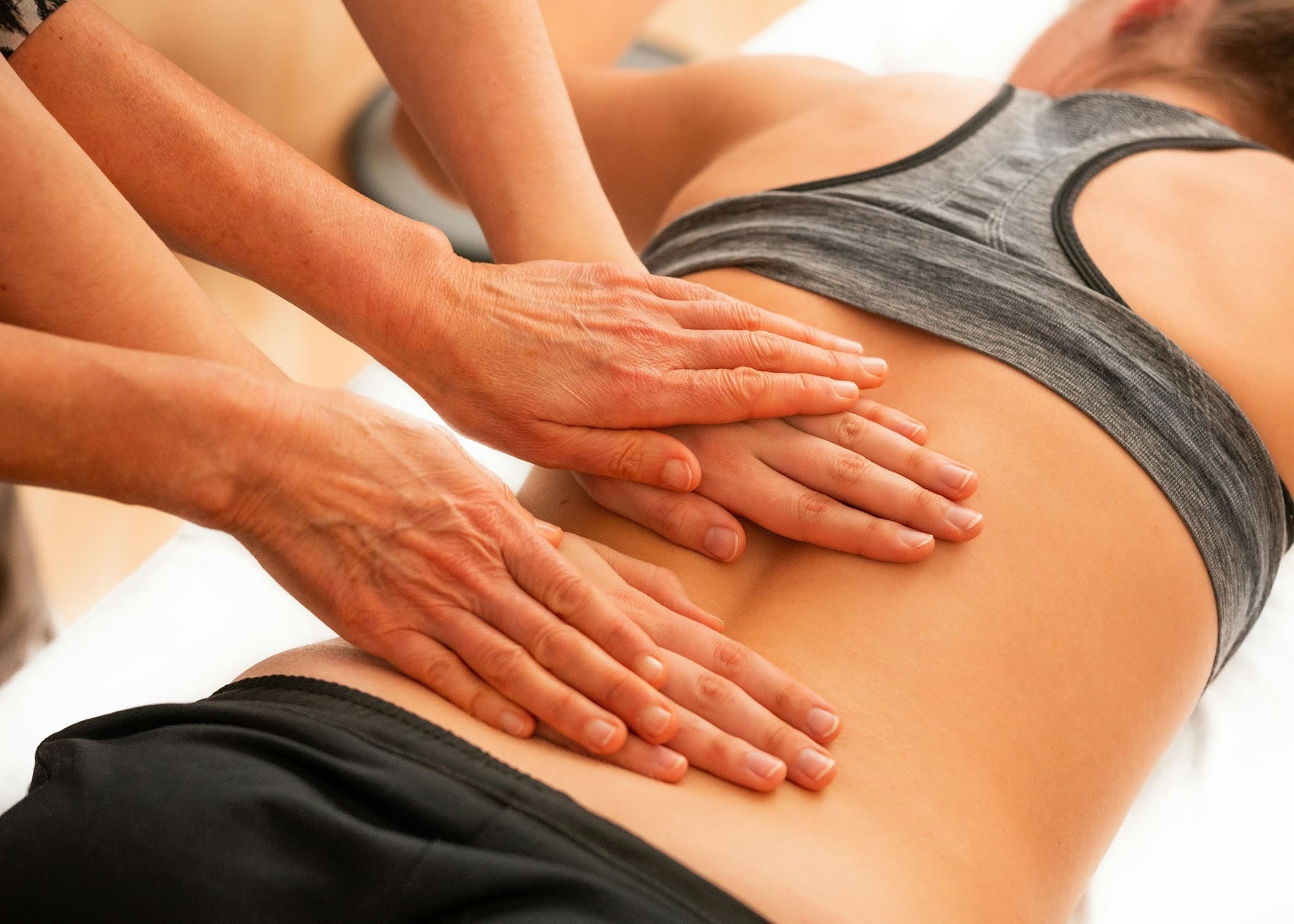
The emphasis throughout is on assessment first. MAT asks the practitioner to read the whole body before addressing any single region, which aligns with how I already approach mobile therapeutic sessions, starting with what the body is presenting that day rather than applying a preset routine.
Why This Matters for the Work I Do
The clients I see most often carry patterns that have been present for a long time. Tension that shifts location. Discomfort that returns after treatment. Restrictions in one area that are driven by compensation somewhere else entirely. The research on chronic musculoskeletal pain consistently supports this: a 2021 review published in the Journal of Bodywork and Movement Therapies found that myofascial and structural approaches that incorporate nervous system assessment produced more durable outcomes than symptom-focused treatment alone.
MAT’s whole-body assessment framework adds another layer of precision to that kind of work. The workshop will cover a wide range of techniques. These topics include strategies for reducing protective muscle spasm, joint fixation, the nervous system’s role in maintaining holding patterns. These concepts are directly applicable to the sessions I offer in Tallahassee. If you want to read more about how the nervous system connects to physical tension and recovery, refer to this post from our blog on active recovery massage.
Continuing education is how I stay current with what the research and clinical communities are learning. It’s also how I make sure that the care I bring to your door is grounded in more than habit or assumption. Studying myoskeletal alignment techniques in Tallahassee keeps me sharp while staying close to the community I serve.
If you have questions about what a session might address for you, or if you’ve been dealing with persistent neck, back, or shoulder patterns, I’d be glad to talk through what an appointment might look like.
Follow Restorative Path on Instagram and Facebook, or visit the site to book directly.


